Zero Waste Vegetable Broth Recipe
Introduction
Making your own vegetable broth is a wonderful way to reduce kitchen waste and create a flavorful base for soups and stews. This zero waste vegetable broth recipe uses leftover vegetable scraps that would otherwise be discarded, transforming them into a rich and aromatic broth.
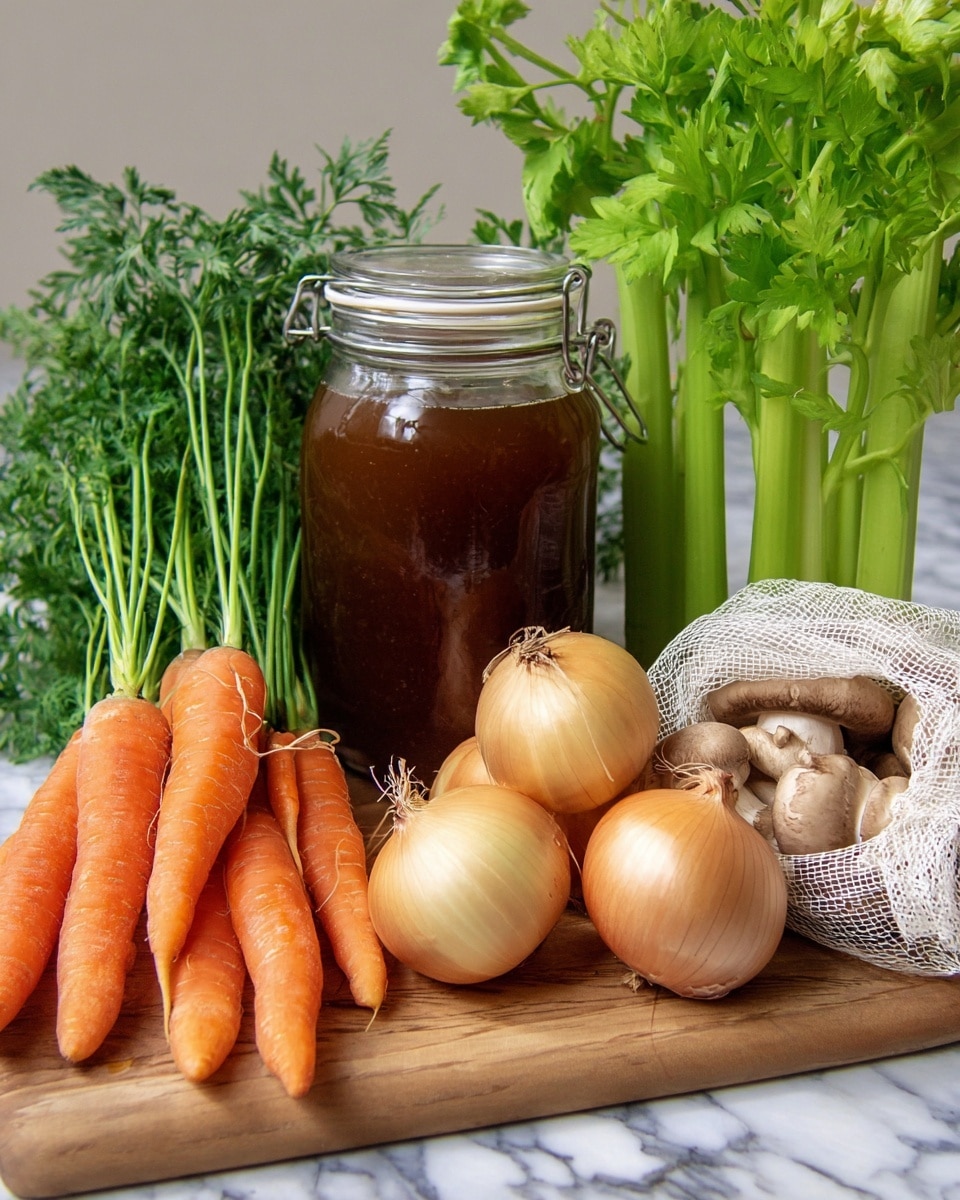
Ingredients
- 8 cups (2 L / 1¼ lb) Mixed vegetable scraps (see notes)
- 8 cups (2 L) Water
Recommended Vegetable Scraps:
- Onion skins & ends
- Garlic skins
- Carrot peels, ends, or old pieces
- Celery ends, core, or old pieces
- Leek ends
- Herb stems & leaves (basil, thyme, oregano, sage, rosemary)
- Kale or chard stems
- Mushroom ends
Instructions
- Step 1: Gather your vegetable scraps over 1-2 weeks. Save any of the recommended scraps and store them in a container in the freezer until you have enough (about 8 cups). Avoid watery or subtle-flavored vegetables like lettuce, eggplant, squash, potatoes, cucumbers, and sweeter herbs such as mint or lavender.
- Step 2: Place the frozen or thawed vegetable scraps into a medium-sized pot. Add 8 cups of water, bring to a boil over medium-high heat, then cover and reduce to medium-low. Let the vegetables simmer gently for 1 hour.
- Step 3: After 1 hour, remove the lid and taste the broth. It should have a strong aroma but mild flavor. Add extra herbs, vegetables, or a pinch of salt if desired. Increase the heat slightly and simmer uncovered for an additional 15 minutes.
- Step 4: Remove the pot from heat and let the broth cool to room temperature. Strain the broth through a reusable fine mesh straining bag into a bowl, squeezing the vegetables to extract as much liquid and flavor as possible.
- Step 5: Discard the strained vegetables into compost. Transfer the strained broth to an airtight container. Store in the refrigerator for up to one week or freeze for up to six months.
Tips & Variations
- Using frozen scraps makes it easy to keep collecting leftovers without them going bad.
- For a deeper flavor, roast some of the scraps before simmering.
- Add a splash of soy sauce or miso paste to boost umami notes when reheating broth.
- If you want a clearer broth, strain it twice through cheesecloth or a fine sieve.
Storage
Store the broth in an airtight container in the refrigerator for up to one week. For longer storage, freeze the broth in portioned containers or ice cube trays for up to six months. To reheat, simply warm on the stove or in the microwave until hot, using it as a base for soups, sauces, or grains.
How to Serve
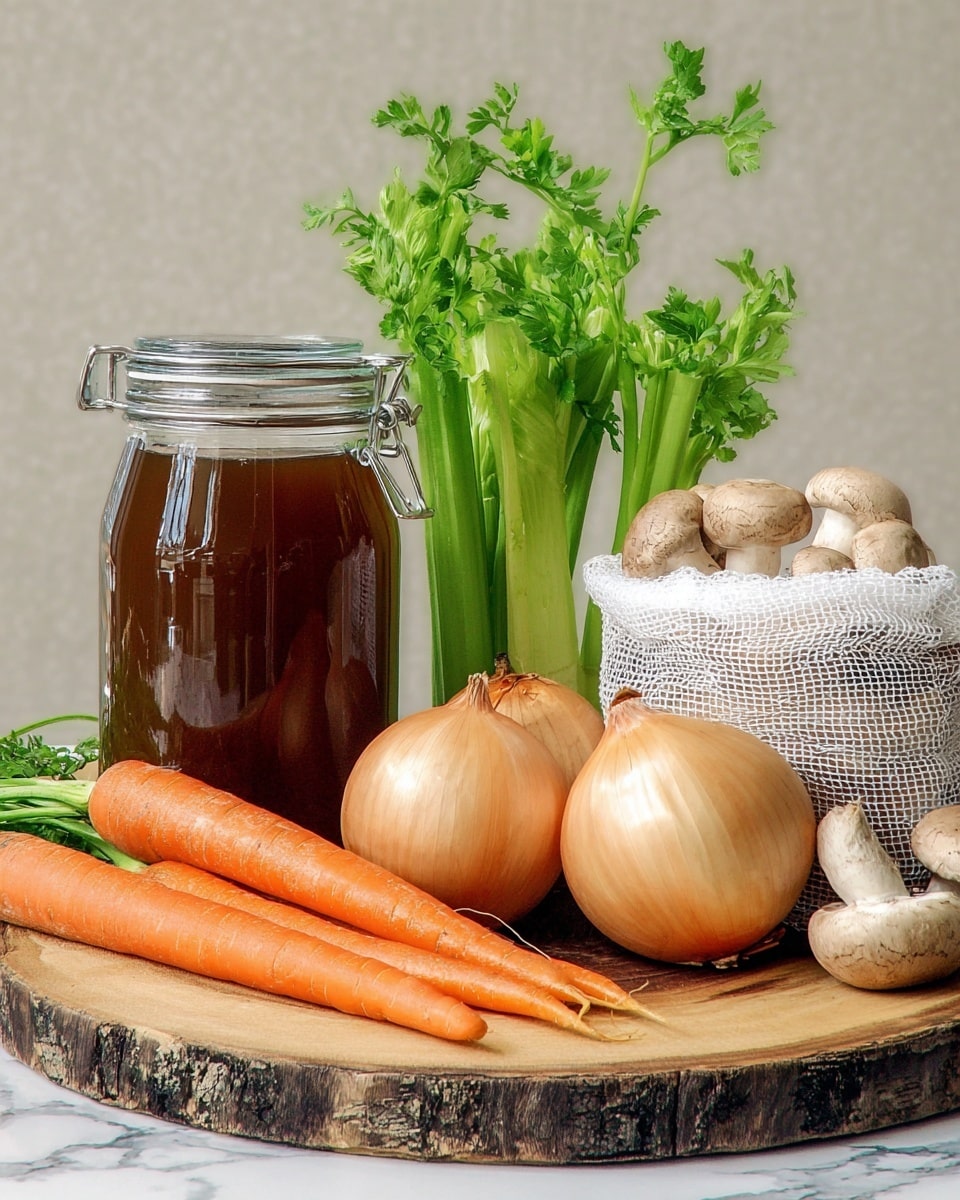
Serve this delicious recipe with your favorite sides.
FAQs
Can I use any vegetable scraps for this broth?
It’s best to avoid watery vegetables like lettuce or cucumbers and starchy ones like potatoes, as they can dilute or alter the flavor. Stick to the recommended scraps for the best taste.
Do I need to peel the vegetables before saving the scraps?
No need to peel all vegetables, as many skins like onion and garlic add great flavor and color to the broth. Just ensure all scraps are clean and free of dirt.
Print
Zero Waste Vegetable Broth Recipe
- Total Time: 1 hour 25 minutes plus 1-2 weeks of scrap collection
- Yield: About 8 cups (2 liters) of vegetable broth 1x
- Diet: Vegan
Description
A sustainable and flavorful Zero Waste Vegetable Broth made by simmering a mix of frozen vegetable scraps and herbs. This broth maximizes kitchen waste by using onion skins, carrot peels, herb stems, and more to create a rich, aromatic base perfect for soups, stews, and sauces.
Ingredients
Vegetable Scraps
- 8 cups / 2 L / 1¼ lb Mixed Vegetable Scraps (onion skins & ends, garlic skins, carrot peels & ends, celery ends & core, leek ends, herb stems & leaves such as basil, thyme, oregano, sage, rosemary, kale or chard stems, mushroom ends)
Liquid
- 8 cups / 2 L Water
Instructions
- Gather: Save vegetable scraps from cooking over 1-2 weeks, storing them in a container in the freezer. Include only recommended scraps like onion skins, carrot peels, herb stems, and avoid watery or subtle-flavored vegetables like lettuce, eggplant, or potatoes.
- Boil: Place the vegetable scraps into a medium pot along with 8 cups of water. Bring to a boil over medium-high heat, then cover and reduce to medium-low to gently simmer for 1 hour. After simmering, check the broth’s flavor and add additional herbs, vegetables, or salt if needed. Increase the heat slightly and simmer uncovered for another 15 minutes to reduce and concentrate the broth.
- Cool: Remove the pot from heat and let the broth cool to room temperature. Strain through a reusable fine mesh straining bag into a bowl, squeezing the solids to extract maximum flavor. Compost the cooked vegetables and transfer the strained broth to an airtight container. Refrigerate for up to 1 week or freeze for up to 6 months.
Notes
- Only use vegetable scraps from clean, fresh vegetables—avoid scraps with mold or spoilage.
- Do not include vegetables with high water content or subtle flavors such as lettuce, eggplant, squash, potatoes, or cucumbers.
- Herbs like mint or lavender are not recommended as they can overpower the broth.
- Broth flavor can be enhanced after initial cooking by adding fresh herbs or salt.
- Use a reusable fine mesh straining bag to reduce waste.
- Vegetable broth freezes well and can be stored up to 6 months for convenience.
- Prep Time: 1-2 weeks (accumulating scraps), 10 minutes (assembly)
- Cook Time: 1 hour 15 minutes
- Category: Soup Base
- Method: Stovetop
- Cuisine: Universal
Keywords: Zero waste, vegetable broth, vegetable scraps, homemade broth, sustainable cooking, vegan broth